
Stable existing floor
Existing tiles should not be hollow, loose, popping or badly cracked. Problem areas may need repair before overlay.
HDB vinyl overlay guide
A practical guide for deciding whether vinyl overlay is suitable for your HDB flat, BTO unit or resale home.
Learn what to check before installation, how skirting and door clearance affect the finish, and what photos to send for a clearer quotation.
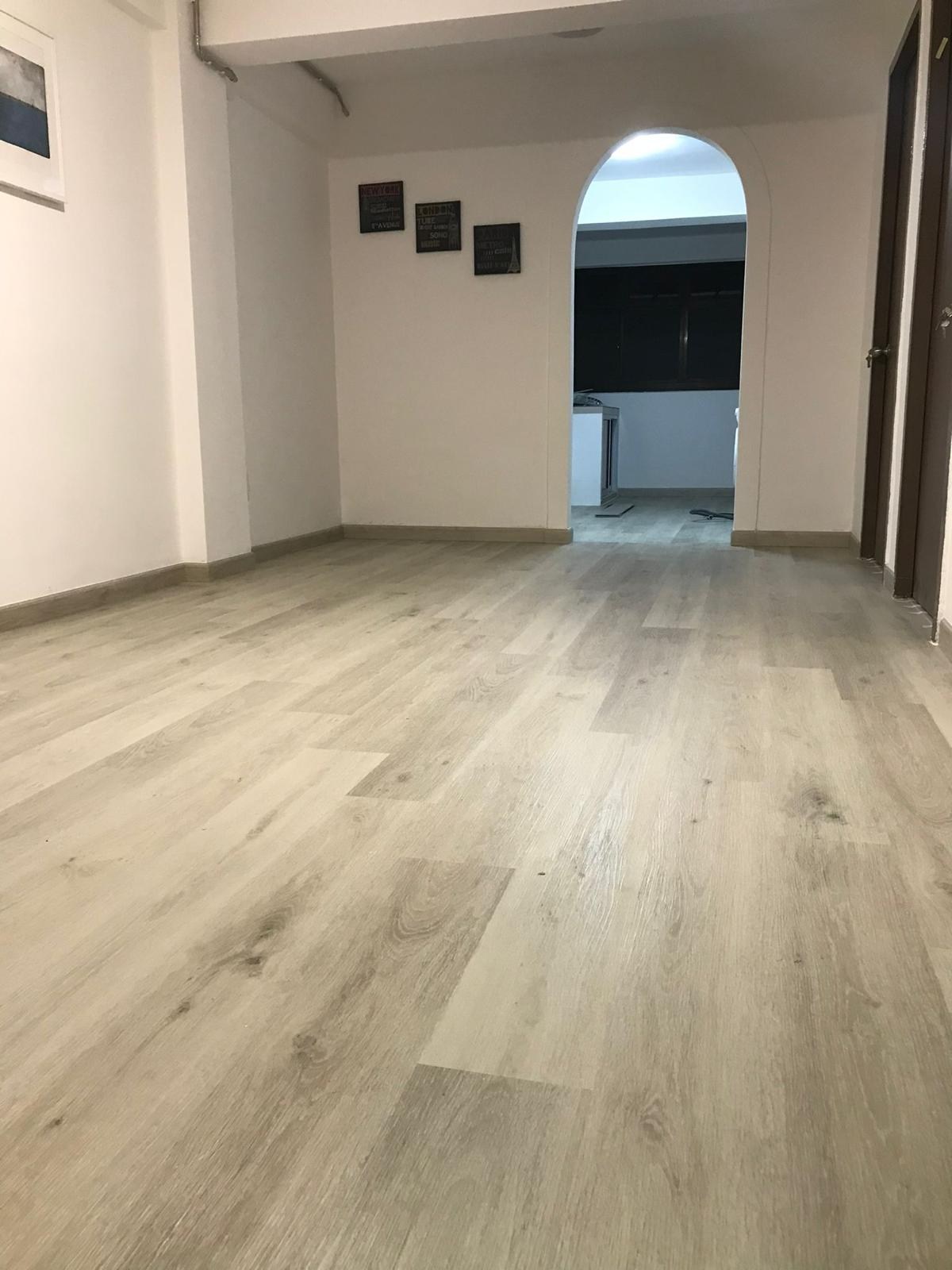
Before overlay
Vinyl overlay can be a clean upgrade when the existing floor is stable, reasonably flat and properly prepared.
Existing tiles should not be hollow, loose, popping or badly cracked. Problem areas may need repair before overlay.
Uneven floors, deep tile joints or slopes may require levelling compound or cement screed before vinyl installation.
Moisture issues, dusty surfaces or adhesive residue should be checked before the installer confirms the method.
Planning details
A good vinyl flooring job is not only about the plank colour. The edges, skirting, door area and room transitions decide whether the final work looks neat.
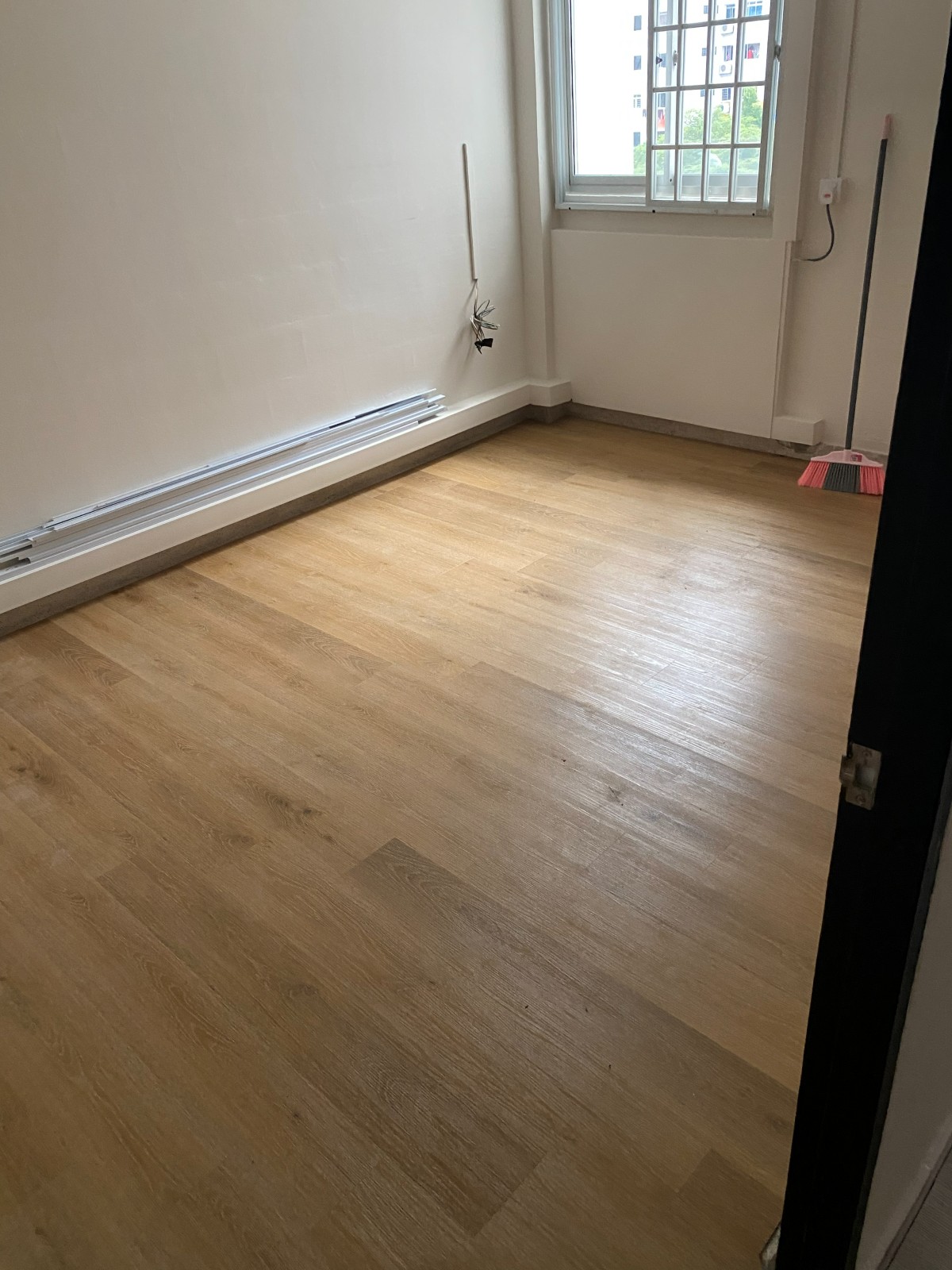
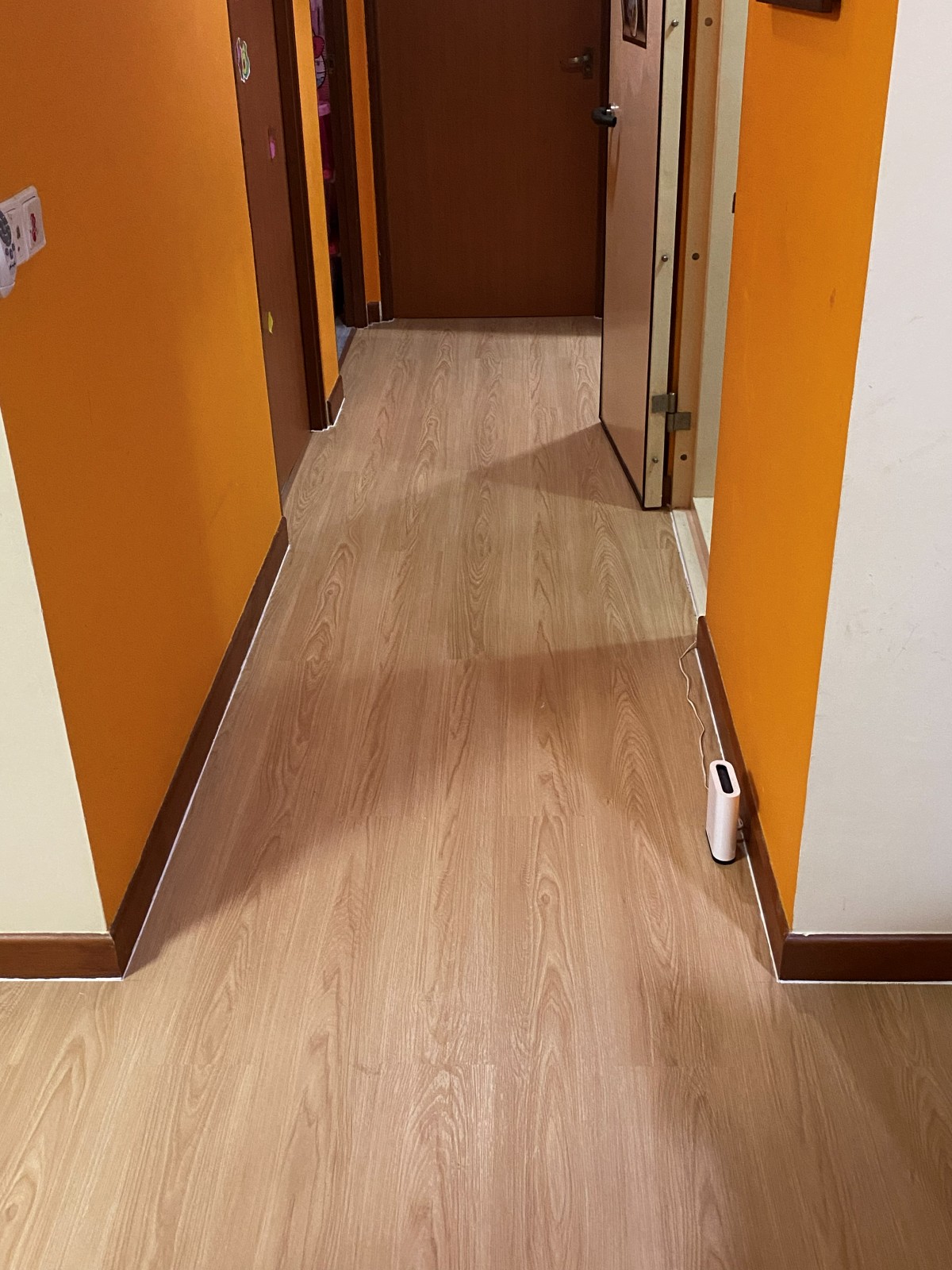
Quote checklist
The first quotation becomes more accurate when the floor area and site condition are clear.
Send the HDB floor plan or measure each room that needs vinyl overlay, including living room, bedrooms and corridor.
Take wide photos and close photos of tile joints, cracked tiles, skirting, door frames and uneven areas.
Share whether you prefer light wood, warm oak, grey wood, stone-look vinyl or a specific catalogue code.
FAQ
Often yes, if the existing floor is stable and suitable. A site check or clear photos are needed before confirming.
Sometimes. Overlay adds height, so door clearance should be checked before installation to avoid rubbing.
Yes, if unevenness or tile joints may show through or affect the final finish. Levelling helps create a better base.
Send your floor plan and current floor photos for a practical quotation.