
Uneven existing tiles
Deep tile joints, lippage between tiles or visible waves can show through the finished floor or affect how vinyl sits. Levelling helps create a more consistent surface.
Floor preparation guide
A practical guide for deciding whether your HDB, BTO or condo floor needs levelling before vinyl installation.
A neat vinyl finish starts with the base. Learn when direct overlay is suitable, when cement screed or levelling compound may be needed, and what to prepare for a clearer quotation.
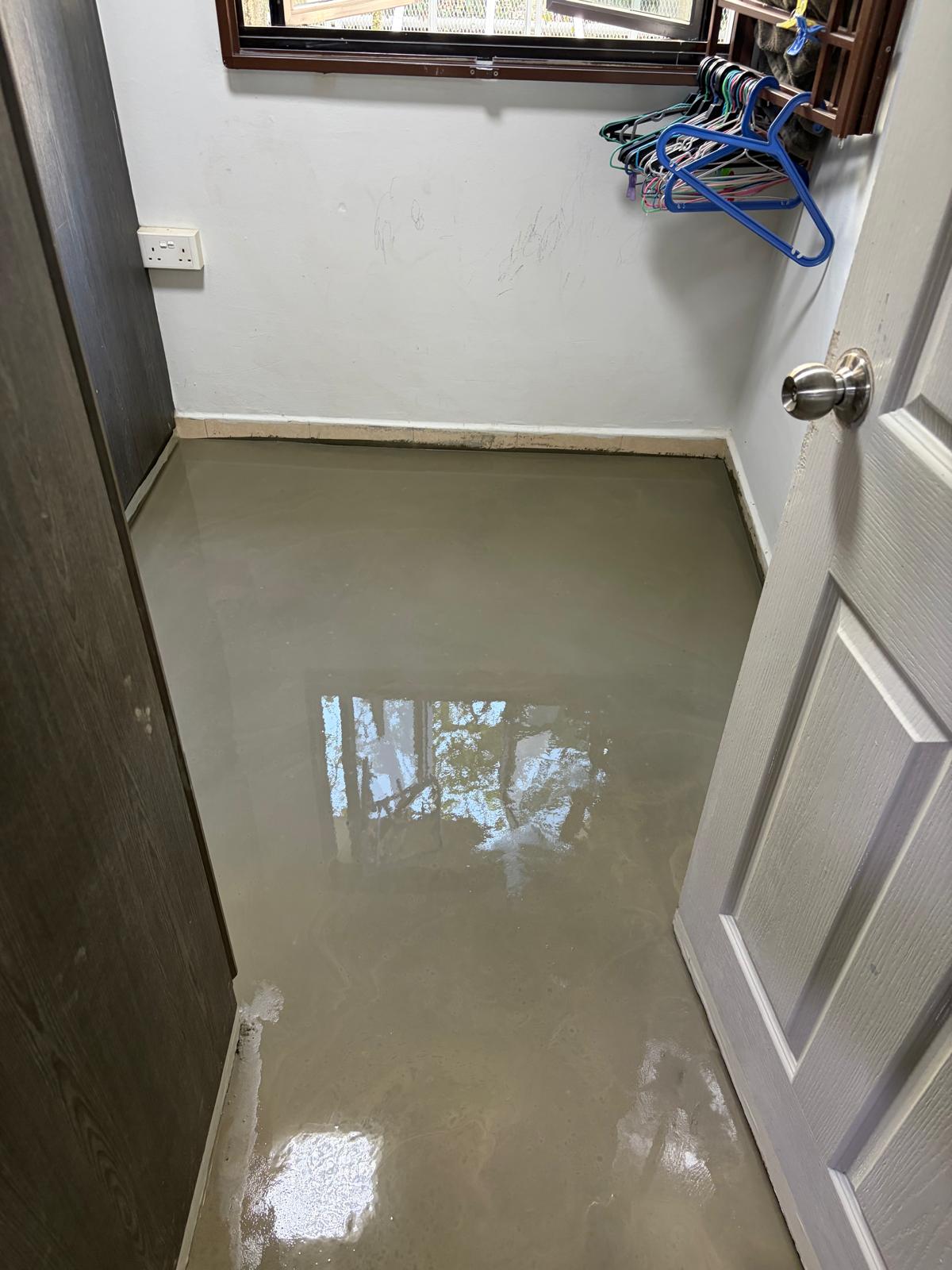
Suitability
Vinyl overlay works best on a stable, dry and reasonably flat surface. When the base is uneven, preparation becomes part of the flooring job.
Deep tile joints, lippage between tiles or visible waves can show through the finished floor or affect how vinyl sits. Levelling helps create a more consistent surface.
Problem tiles should be checked before overlay. If the base moves, the new floor may not perform well even if the vinyl material itself is good.
Bedroom doors, kitchen entrances and corridor transitions need planning because screed and vinyl add height to the floor build-up.
Cement screed vs levelling compound
Cement screed is commonly used when a new base layer or thicker floor correction is required. Levelling compound is often used for thinner correction over an existing suitable base. The correct method depends on the floor condition, required thickness, drying time, room usage and final flooring type.
For homeowners, the important point is not the product name alone. The installer should inspect whether the floor is stable, how uneven it is, whether moisture is a concern, and whether the finished height will affect doors or built-in furniture. A small patch correction is very different from preparing an entire living room and bedroom area.
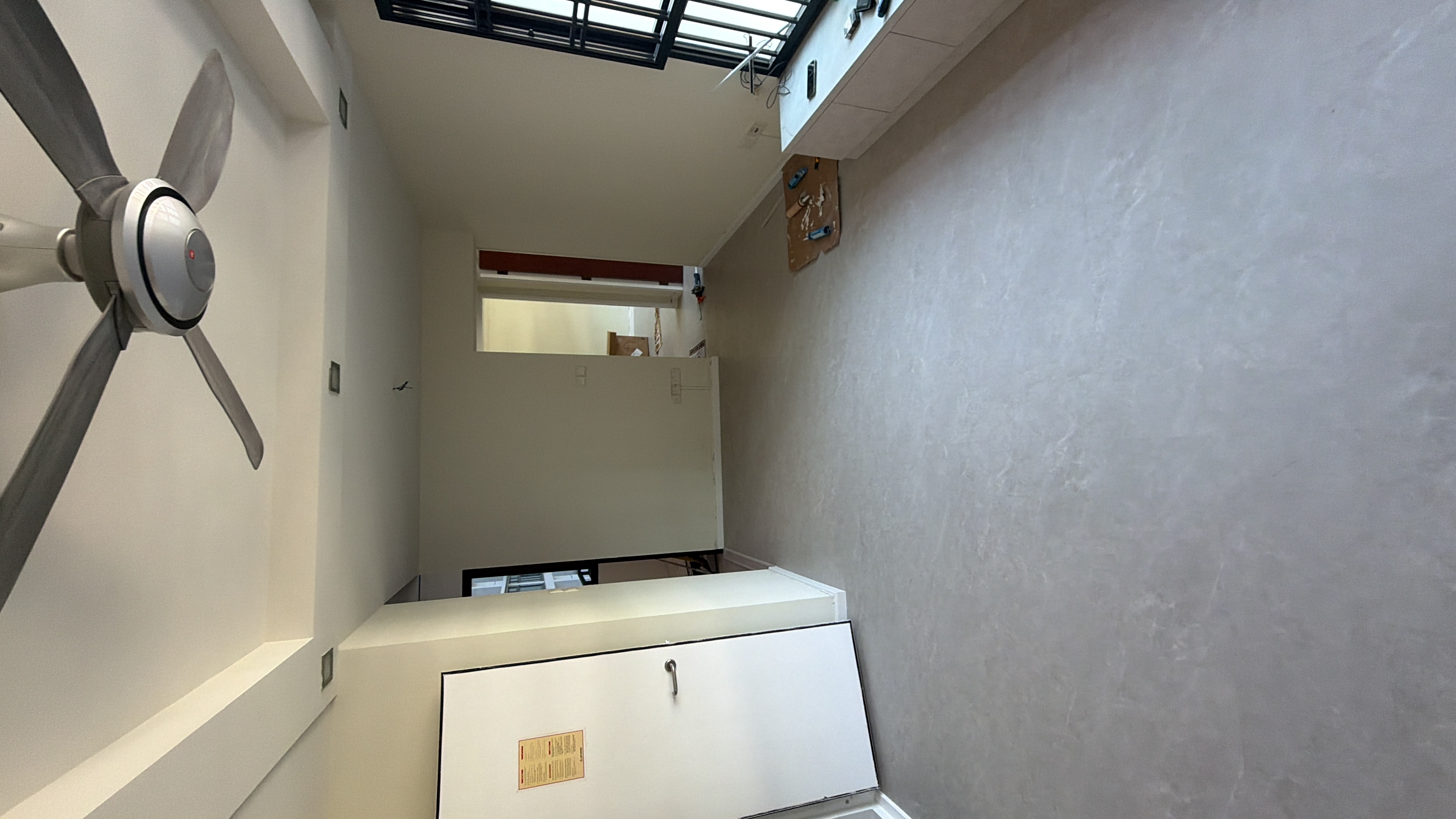
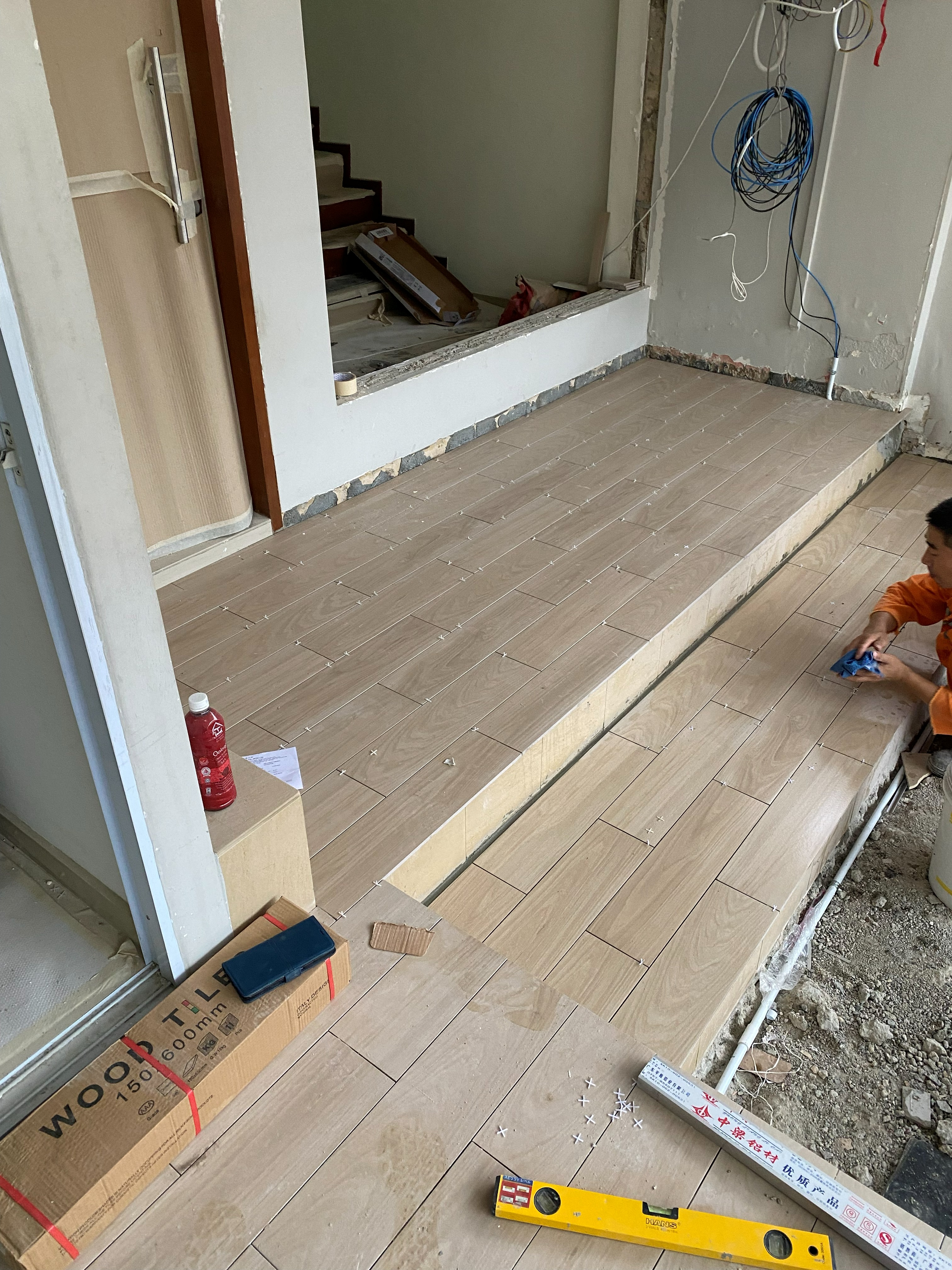
Cost factors
Preparation cost depends on more than floor area. The amount of correction, site access and timing can all affect the quotation.
A small bedroom correction is different from levelling an entire HDB living room and corridor. Greater thickness or larger area usually means more material, labour and drying time.
Cracked tiles, dusty surfaces, adhesive residue, slopes, moisture issues or uneven corners may require extra checks before the levelling method is confirmed.
Floor preparation should be coordinated with vinyl installation, skirting, door trimming, painting and built-in furniture installation to avoid rework.
HDB, BTO and condo scenarios
For new BTO flats, floor condition is usually easier to check before renovation begins, but homeowners should still confirm whether the selected areas are ready for vinyl installation. For resale HDB homes, the existing tiles may have age, hollow spots, repairs or uneven transitions between rooms. For condos, management rules, lift protection and working hours may affect scheduling, especially when preparation work creates dust, moisture or drying time.
If the unit is occupied, furniture moving and room-by-room work also matter. A realistic quotation should consider whether the home is empty, whether heavy furniture needs shifting, and whether the floor can be left to dry before vinyl installation. Rushing this sequence can create avoidable finish problems.
Floor preparation is also not suitable as a shortcut for every site problem. Active water leakage, severe tile failure, unstable substrates or areas that need specialist repair should be resolved before vinyl flooring is planned. A careful contractor should explain these limits instead of promising that one layer of screed or levelling compound can fix every condition.
Quote preparation
Good photos help the flooring team advise whether direct overlay, levelling compound or cement screed should be considered.
Mark the rooms that need vinyl flooring and note whether the floor is tiled, cement, damaged or partly renovated.
Take photos of cracks, tile joints, hollow-sounding areas, uneven thresholds, door bottoms, slopes and wet areas near the kitchen or service yard.
Share your renovation schedule, move-in date, building type, lift access and whether furniture needs to be moved before flooring work.
FAQ
Sometimes yes, if the tiles are stable, dry and reasonably flat. If the surface is uneven or damaged, preparation may be needed first.
It can. Drying or curing time should be planned before vinyl installation, especially when a larger area or thicker correction is involved.
Send your floor plan, current floor photos and timing details to Glee Flooring on WhatsApp at +65 8742 6767 for a practical recommendation.
Send floor photos and measurements before confirming vinyl flooring installation.